
Sponsored article
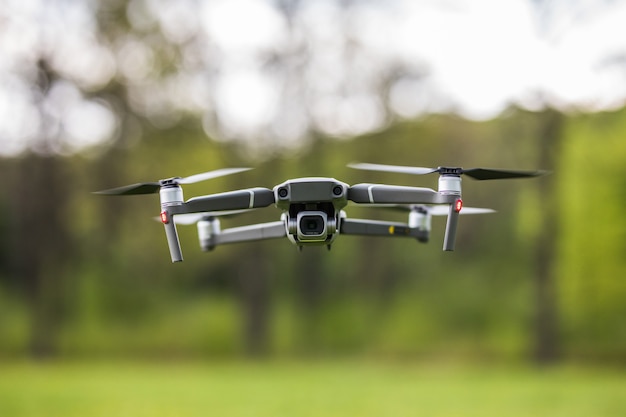
In the wake of natural disasters, rapid and efficient response can make the difference between life and death. Advanced drone technologies are increasingly playing a vital role in disaster relief and emergency management. From enhancing preparedness through sophisticated surveillance systems to providing real-time data that guides resource deployment, drones have revolutionized how we respond to crises. Additionally, they offer practical solutions for delivering aid to hard-to-reach areas, marking a significant evolution in humanitarian assistance.
Drones in disaster management are revolutionizing the way emergency preparedness is approached, offering advanced surveillance and early warning capabilities that significantly enhance risk assessment. Through the integration of unmanned aircraft systems, organizations can conduct real-time monitoring of vulnerable regions, enabling swift identification of potential threats. These aerial solutions provide critical data that supports the development of strategic evacuation plans and effective resource allocation, ensuring that communities are better prepared for unforeseen events. Advanced drone technologies empower first responders with precise information that is crucial for minimizing damage and ensuring public safety.
In addition to surveillance, drones play a pivotal role in the establishment of comprehensive early warning systems, crucial for mitigating disaster impacts. Their ability to provide rapid situational awareness allows for the timely dissemination of alerts and coordination of response efforts. As a part of cutting-edge disaster response technology, drones bridge communication gaps, offering a bird’s-eye view that aids in logistical planning and execution. By incorporating drones in disaster management strategies, emergency services augment their preparedness levels, significantly enhancing the overall efficacy of response operations.
In the wake of disasters, effective and swift decision-making is paramount, underscoring the significant role of advanced drone technologies in enhancing data collection and analysis. Drones offer a crucial advantage by providing real-time data collection and analysis, essential components for improving disaster response and relief efforts. With the capability to deliver high-resolution images and video in real time, drones enable first responders to monitor disaster-stricken areas swiftly and accurately. This immediate access to data accelerates the evaluation of situations, supporting quick, informed decisions in deploying resources efficiently.
Moreover, drones enhance situational awareness through comprehensive disaster monitoring, providing valuable insights into numerous aspects:
Accurate data collection is critical for crafting effective response strategies. By leveraging drone data collection and real-time analysis, emergency teams can quickly prioritize tasks and respond more effectively, minimizing the disaster’s impact on affected communities.
In the wake of a disaster, reaching inaccessible areas becomes a critical challenge for relief efforts. With the advent of drones for remote access, delivering essential supplies and humanitarian aid to these hard-to-reach locations is transforming disaster response strategies. Drones offer a nimble and efficient solution, capable of crossing rugged terrain and bypassing downed infrastructure swiftly. This capability significantly reduces the time it takes to provide relief delivery to devastated communities, where every second counts. By braving harsh conditions and reaching crisis zones with unprecedented speed, drones help ensure that food, water, and medical supplies arrive promptly, potentially saving lives.
Moreover, the use of drones enhances safety for aid workers by minimizing the need for ground travel through potentially hazardous environments. By employing advanced drone technology, agencies can assess the needs of affected areas through aerial surveillance, ensuring aid in crisis zones is both targeted and effective. This approach not only maximizes the efficiency of relief operations but also helps to streamline the allocation of resources, ultimately making disaster response more adaptive and proactive.